The spine of the book is unraveling, the pages worn and stained.
Yet in this one-room schoolhouse in rural Kenya, its presence is laying the foundation for change.
Nancy holds the book at the back of the classroom, her lips moving silently as she reads the faded words across the page. At just 10 years old, she’s too young to fully grasp the importance of this moment — that with this book, she is reading, with reading comes knowledge, and with knowledge comes the power to shift how she sees herself and her place in the world.
In Kenya’s Indigenous Maasai community, where female illiteracy was once as high as 92% among older generations, Nancy’s ability to read means she’s already taking steps toward meaningful change.
In her society, despite significant advancements in literacy and educational access, girls and women still face barriers to education that put them at risk for a life of poverty, and it will take more than a book to break free of that cycle.
But Nancy is not alone. Even if she doesn’t yet understand that education is a basic human right, Florah does.
As one Maasai woman among many others in her community who want increased educational access for girls, Florah knows what’s at stake, and she’s made it her life’s mission to fight for the rights of the girl child.
She knows each child by name, and they say she is their protector — because with her, their future feels more secure.
This is how Florah came to be known as the “iron woman.”
February 18, 2026 | Mothers
The Iron Woman of Kibiko
A mother advocates for girls’ and women’s rights to education in her Indigenous Maasai community
By Kati Burns Mallows
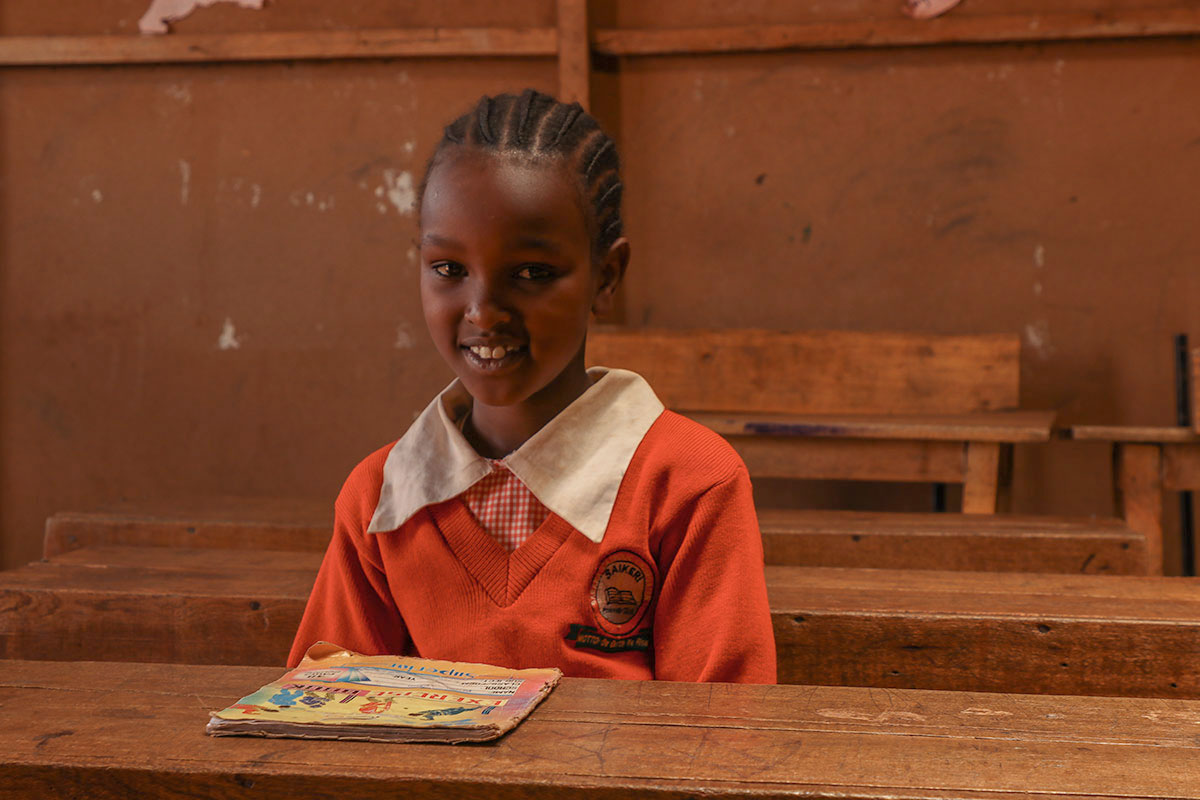
Nancy, 10, is one of six siblings in a family dedicated to ensuring their children get an education, and her older brother is sponsored through Unbound. Historically, young girls between the ages of 11 and 18 in Maasai communities have had to abandon their educations due to the expectation of early marriage.
Education and an unyielding spirit
Iron doesn’t bend easily.
Extracted from ore, it must endure intense heat before it becomes strong and useful, powerful and refined. Iron has many uses including tools, symbols of survival.
Florah’s spirit is like iron — forged through hardship, shaped by her experiences. She calls herself an “iron woman” because she isn’t easily defeated. Education is her tool; she sees it as the true pillar for progress in her community.
“I tell people if you educate a woman, you educate the whole nation,” Florah said. “I know if one Maasai girl achieves education, she will mobilize the whole Maasai community.”
Florah speaks from experience — she was that Maasai girl.
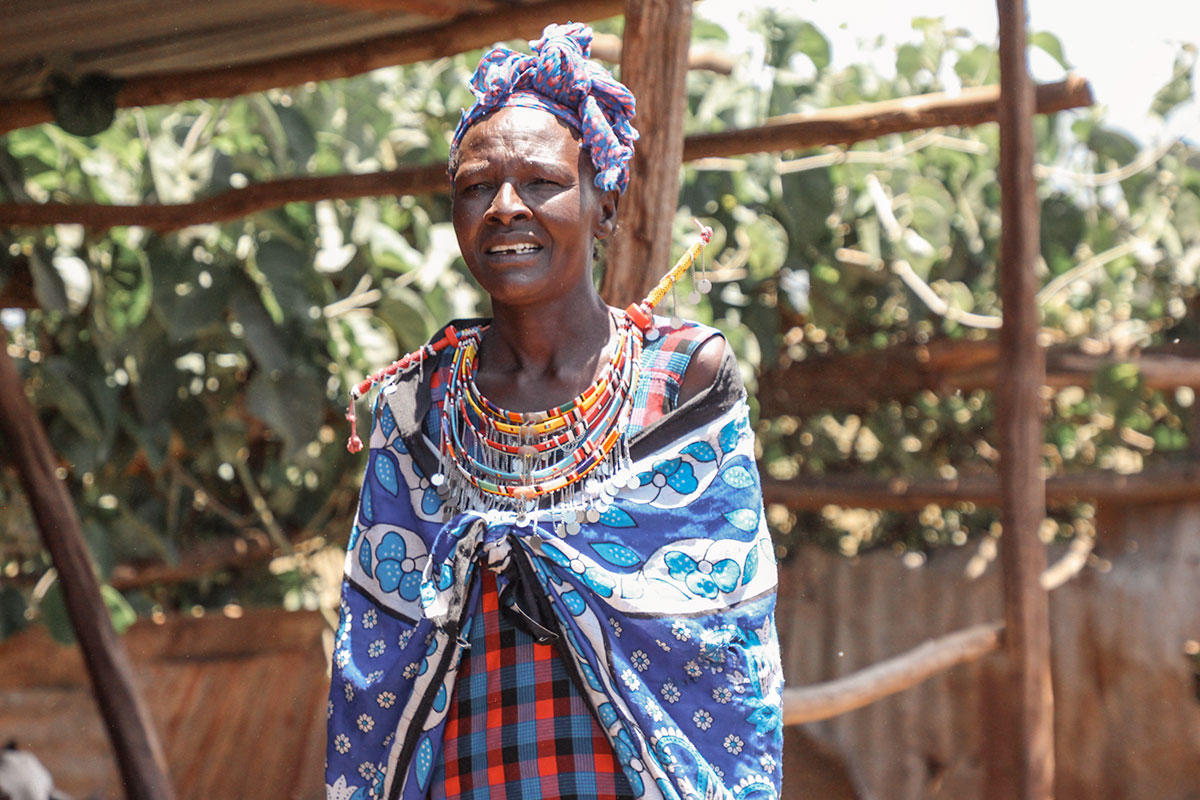
Florah, who is likely around the age of 54, is the mother of Jonas, an Unbound sponsored youth, and a passionate advocate for girls’ and women’s education in her Maasai community in Nairobi.
I tell people if you educate a woman, you educate the whole nation. I know if one Maasai girl achieves education, she will mobilize the whole Maasai community.
— Florah, Mother and advocate for girls’ education in Kenya
Florah is uncertain of her birthday, but believes she was born in 1972, a time in Kenya characterized by political instability, regional tensions and pastoralist conflicts.
Her childhood was not like that of other Maasai girls. Her father opened the door to education with a practical goal — to ensure the safety of his children by giving them the opportunity to learn to read, something he was never taught and that almost cost him his life.
The Maasai are an Indigenous East African community whose semi-nomadic, pastoralist lifestyle is centered on herding cattle and sheep. Historically, seasonal migrations and remote living conditions made consistent schooling difficult for Maasai children overall, and they were underserved by formal educational systems.
Florah’s father was a soldier during her childhood. One day while out working, he approached a live wire with a warning sign, “Danger.” Not knowing how to read, he touched the wire, was electrocuted and almost died. This experience convinced him that his five children needed to know how to read, and he ensured all of them received an education. Florah eventually obtained a certificate in community development from Kenya Technical Teacher’s College.
Florah returned to her community in Kibiko and, honoring her father's wishes, married his friend, William, with whom she raised five children.
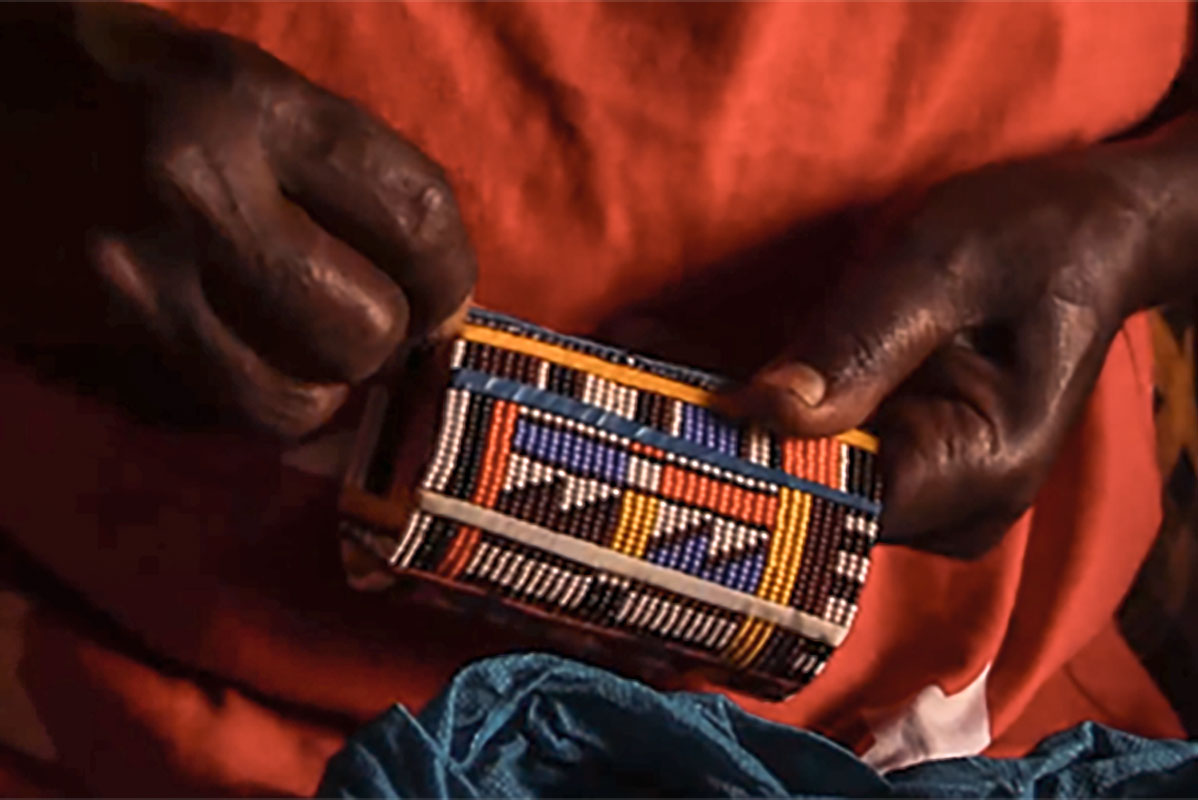
For income, Florah makes beaded bracelets, necklaces and belts, all of which hold symbolic meaning within the Maasai community. Through Unbound sponsorship, Florah prioritizes keeping her son in school and building a more secure home for her family.
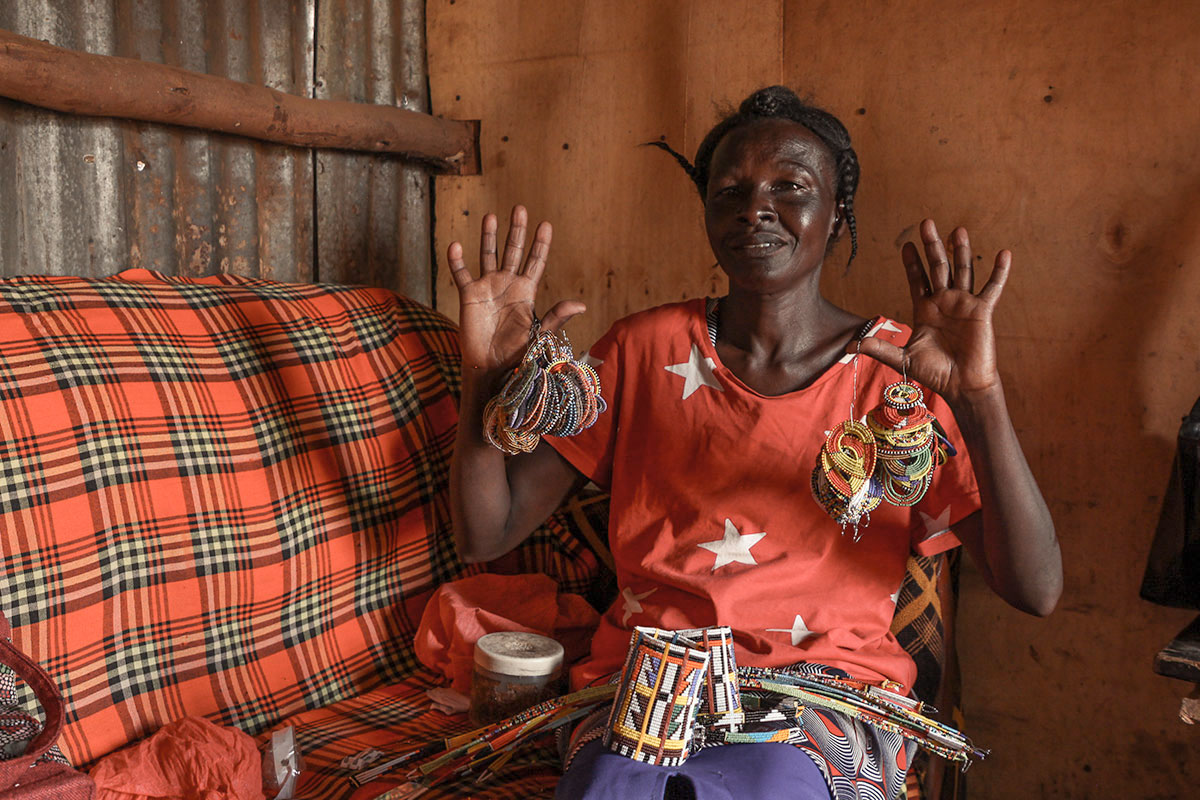
Colorful beadwork is one of the Maasai community’s most notable cultural practices. Beading is a skill mothers teach their daughters from a young age, and Florah calls beading the “living bread” for every woman in Kibiko where formal jobs are scarce.
Florah makes traditional Maasai beaded jewelry for income and raises sheep. She has ensured that all her children have received education, including two of her late brother’s children whom she took responsibility for at his passing.
She is a member of the board at her local primary school and volunteers to work with a program committed to helping young girls who get pregnant to still obtain their education.
When Florah’s son was sponsored through Unbound, she found an even greater platform for her voice as a mother leader in her Unbound mothers group, which is made up of over 30 other mothers from her community. Florah speaks three languages — English, Swahili and Maa (commonly spoken by Maasai) — and often acts as interpreter between Unbound staff and the families during home visits and group meetings.
She has worked to improve her community through Unbound Agents of Change initiatives and helped families with financial planning. She closely monitors which sponsored children (particularly girls) are in danger of dropping out of school so that she can approach their families to intervene.
“The community knows me, and they know in matters of education, I can never [let them] be left behind,” Florah said.
“How can you change the attitude of a people? It is only through education.”
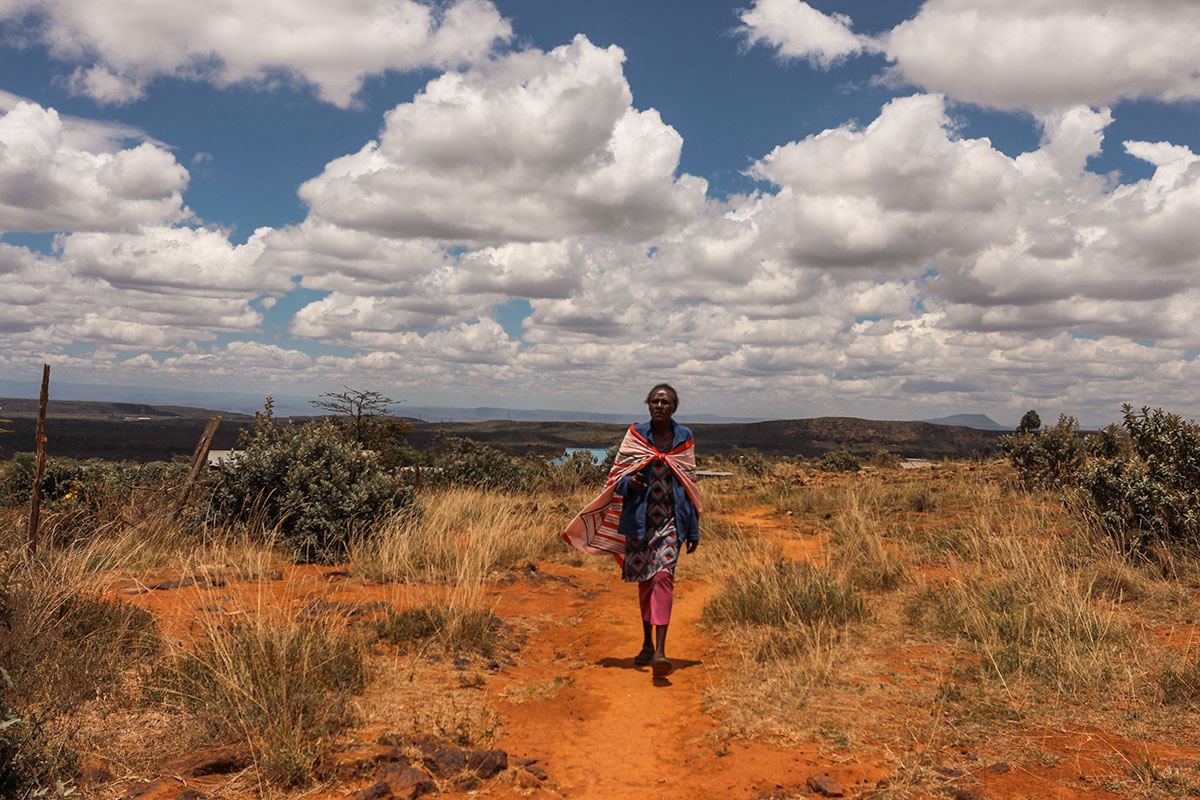
Florah traverses rural dirt roads and rocky terrain throughout Kibiko to pay home visits to the families of young girls whom she has encouraged to complete their educations when the threat of early marriage has presented a barrier.
Shifting perspectives little by little
Florah’s influence has been far-reaching within her community, but the challenges she must overcome include deeply embedded practices.
Patriarchal systems are firmly rooted in social structures worldwide and continue to shape women's opportunities, affecting their educational access, employment, autonomy and more.
Maasai society has been traditionally patriarchal in practice, with men controlling decision-making, livestock, land and family affairs.
Poverty, cultural norms and a preference for boys create a disadvantage for girls’ education. According to Brookings, historically marriage has been an important part of Maasai culture, with girls, sometimes as young as 11 years old, being given as “bride wealth” in exchange for livestock.
In Kenya as a whole, child marriage was outlawed in 2014. However, a 2022 survey from the Child Marriage Data Portal found that 13% of girls in Kenya still get married before reaching the age of 18.
Early marriage combined with poverty and female genital cutting (globally recognized as female genital mutilation or FGM) — another long-standing socio-cultural practice that is now outlawed — have been contributing factors to school retention rates in Kenya or low progression to higher levels of learning.
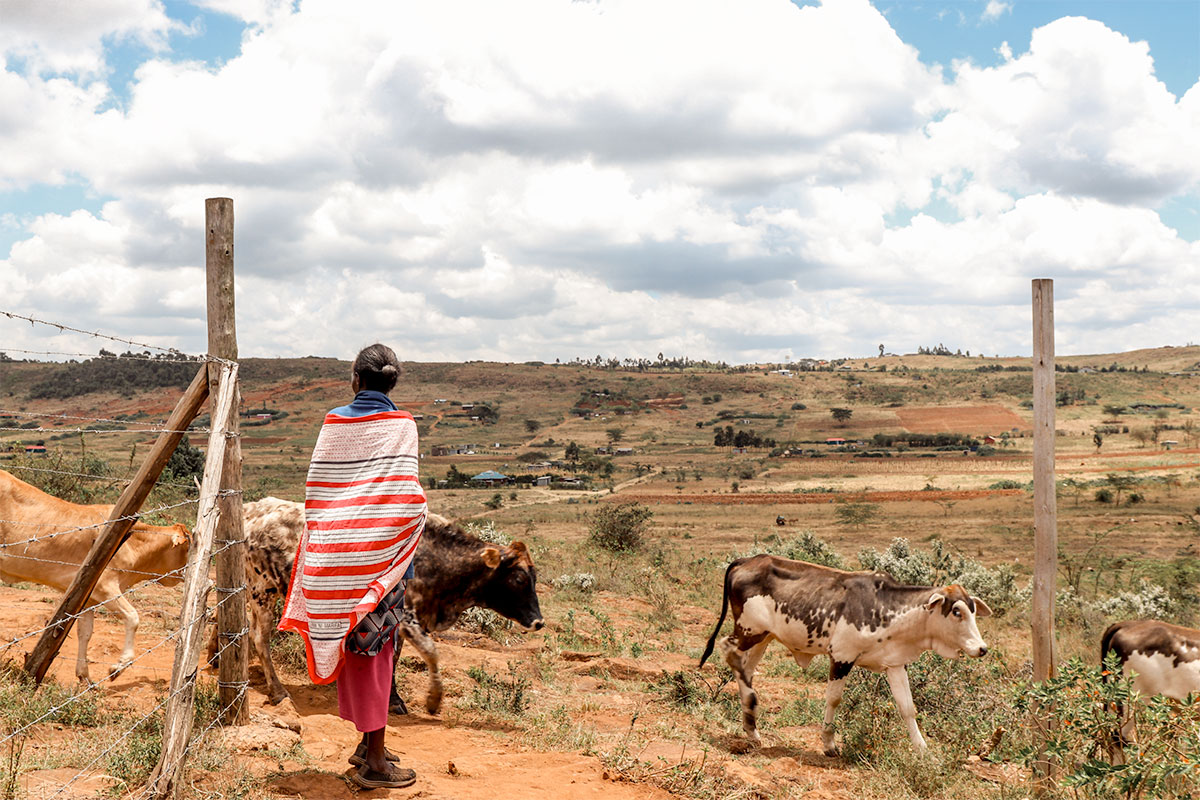
On a walk through her community, Florah waits for a herd of cattle to pass. In bride-wealth traditions, families exchange livestock to formalize unions and kinship ties. While this custom persists in some places, advocates like Florah emphasize education and girls' decision-making.
Eunice Kimani, a social worker for Unbound Nairobi, said about 30% of sponsored families from the community she serves are Maasai. Kimani and staff work to empower women through dignified work and decision-making, one of Unbound’s five strategic pillars that aligns with the SDGs, but this has been a difficult process for families in societies where traditionally patriarchal practices have been the norm.
“It is difficult to empower a girl child because they believe that a man is the one to make decisions in the home,” Kimani said. “If [we] empower a girl child, it is as if you are diminishing the power of the man in the home.”
This is why having mothers like Florah as advocates for their communities is so important. Kimani said families believe in and trust Florah.
“Mothers like Florah are the spokespersons for their communities,” Eunice said. “They help us stay informed about the community, to identify any gaps in benefits and to help bring awareness to women of their basic rights."
Considered a major health concern and human rights violation, child, early and forced marriage and FGM are included in the United Nations Sustainable Development Goals (SDGs) under Goal 5: Achieve Gender Equality and Empower All Women, with the target (5.3) to end practices by 2030.
Today across Kenya as in many other parts of the world, child marriages and female genital cutting are declining as local leaders — including women advocates like Florah, teachers, grassroots organizations and Maasai community elders — work to shift cultural norms from within, expanding access to education, opportunities and community support networks.
"Currently, a girl child in the Maasai community is able to receive education ... and leaders from the community are advocating leaving that culture (child marriage and FGM) behind," Kimani said. "Unbound has also helped [girls and women] to know that they can fight for themselves."
If they can’t fight for themselves, Florah will teach them how.
“As long as I am alive, there are two things that I promised the whole world that cannot happen, FGM and early marriages,” Florah said.
“I want each and every woman and young girl in the community to pursue education, so that she can stand on her own feet and defend herself as a woman.”
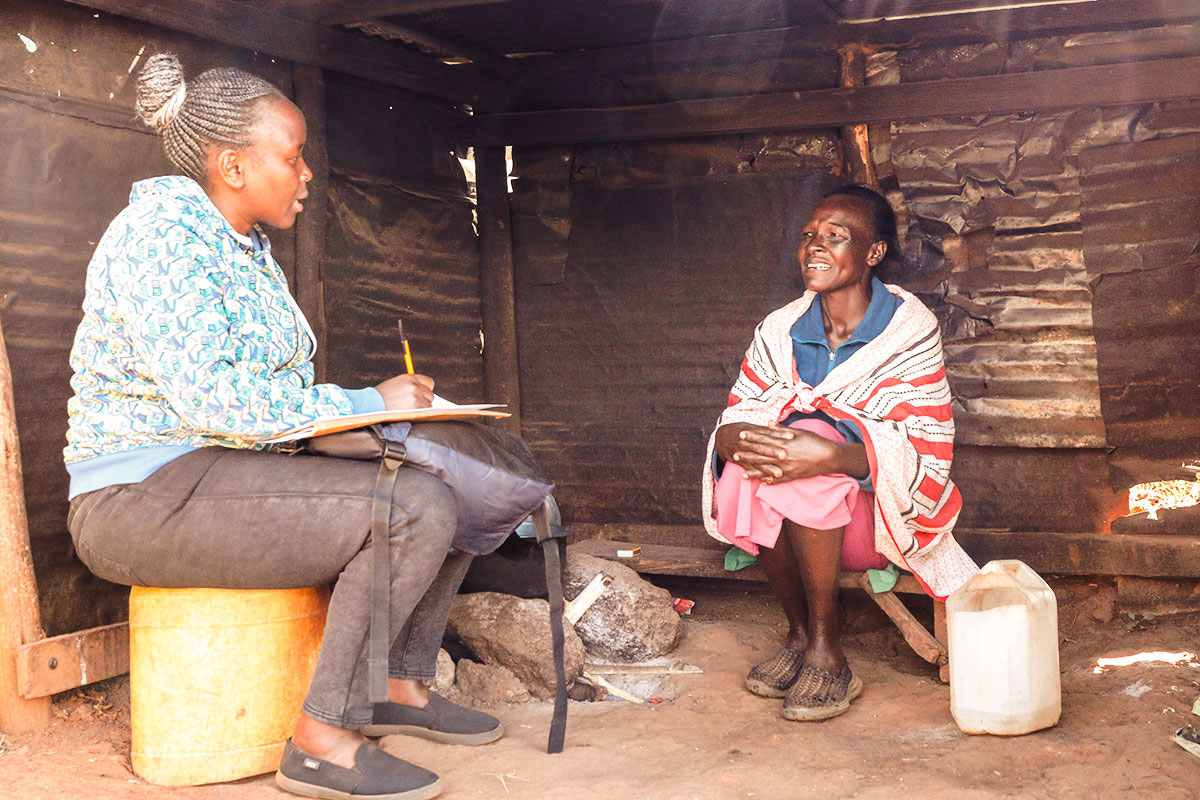
Eunice Kimani, a social worker with Unbound Nairobi for the last 12 years, pays a home visit to Florah.
Mothers like Florah are the spokespersons for their communities.
— Eunice Kimani, Unbound Nairobi social worker
Creating a community of iron women
Without sponsorship, Florah believes that many of the children in her community would not have financially been able to attend school, which is a requirement of Unbound sponsorship.
“Those girls that drop out of school … the future of that child is over," Florah said. "Sometimes I end up [with] a family that I can clearly see there is no way for them to [support] a child [through] school … but I don’t encourage them to marry off the girl.”
Marriage and a future without education might have been Elizabeth’s fate if Florah had not intervened.
Elizabeth was about to complete high school and was looking forward to college when she found out she was pregnant with twins. Elizabeth is not part of the Unbound sponsorship program, but her grandmother is close friends with Florah.
After giving birth to her twins, Elizabeth was out of school for some time since her grandparents (her guardians) believed having children meant she should not continue with her education.
“I was to be married off,” said Elizabeth, who is now 21. “But Florah advised me and guided me on what to do. She told me I [didn’t have to] accept the marriage, to be patient and let her work on support for my education.”
Elizabeth did not accept the marriage. Florah’s mentorship and advocacy eventually persuaded Elizabeth’s grandparents to see the wisdom in continuing to support their granddaughter’s dream of education. Today, Elizabeth is a first-year student at Mount Kenya University, pursuing a degree in nursing. She believes wholeheartedly that if not for Florah’s intervention, her future would have looked quite different.
“[I] will be able to pursue a career that generates income to support [myself] and [my] children,” Elizabeth said. “Florah has the spirit of supporting her community. … She supports girls to become like her and fight for their rights.”
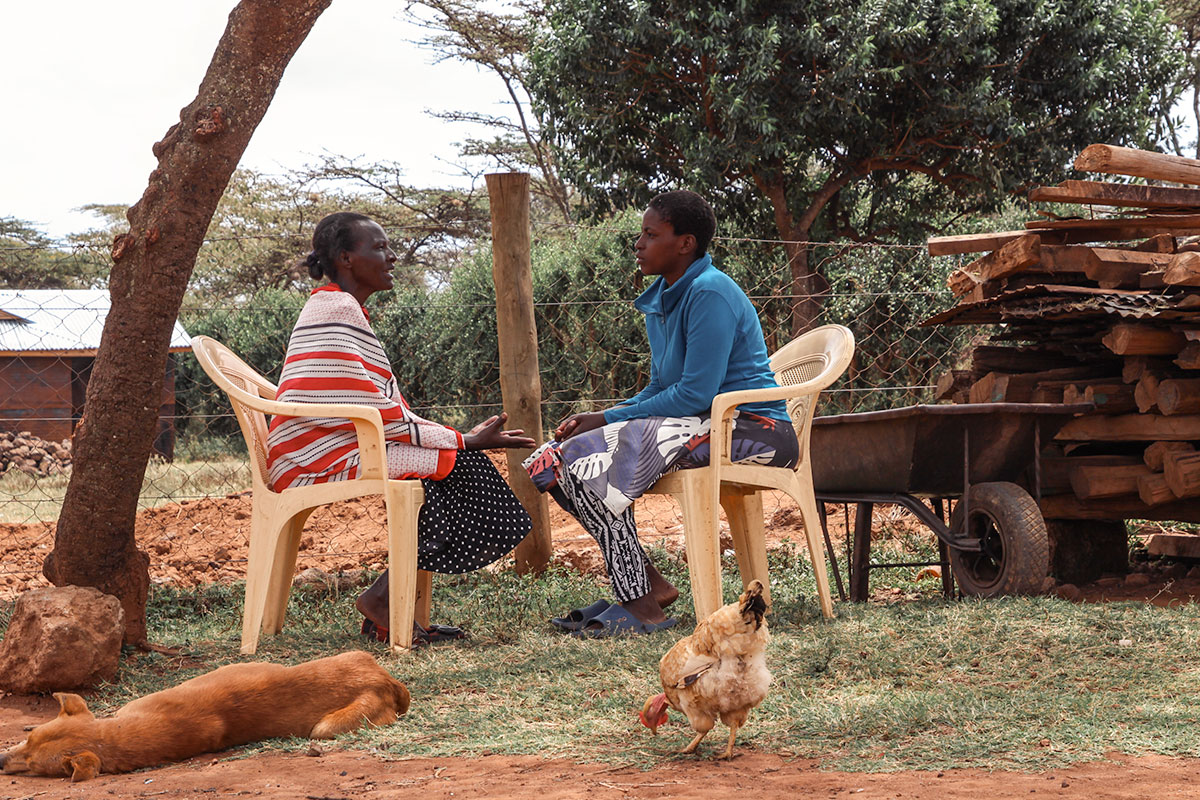
Florah (left) pays a home visit to Elizabeth, a young Maasai woman she encouraged to continue her education after becoming pregnant and facing a marriage arrangement. The two have become close friends.
[I] will be able to pursue a career that generates income to support [myself] and [my] children.
— Elizabeth, Mother and nursing student
Unbound’s Circles of Impact framework seeks to eliminate poverty with the approach that empowering individuals and families creates ripple effects that impact their communities and ends with changing the world. From one single point of impact, progress ripples out.
Florah, with her courage to advocate for girls in her Maasai community, became that single point of impact when she began sharing her passion for education through her Unbound mothers group platform.
“My dream and hope for women in my community is to ... make sure that the young girls get education through whichever means and whichever way that God can assist me," Florah said.
The legacy of the “Iron Woman” is the cultural shift Florah has set in motion, the movement across generations — such as already seen within girls and young women like Nancy and Elizabeth — toward acknowledging they deserve futures with dignity, education and potential.
They are the “iron women,” and their impact will change the fabric of society.
Partner with women like Florah and help amplify their voices by giving them access to an Unbound mothers group when you sponsor a child today.
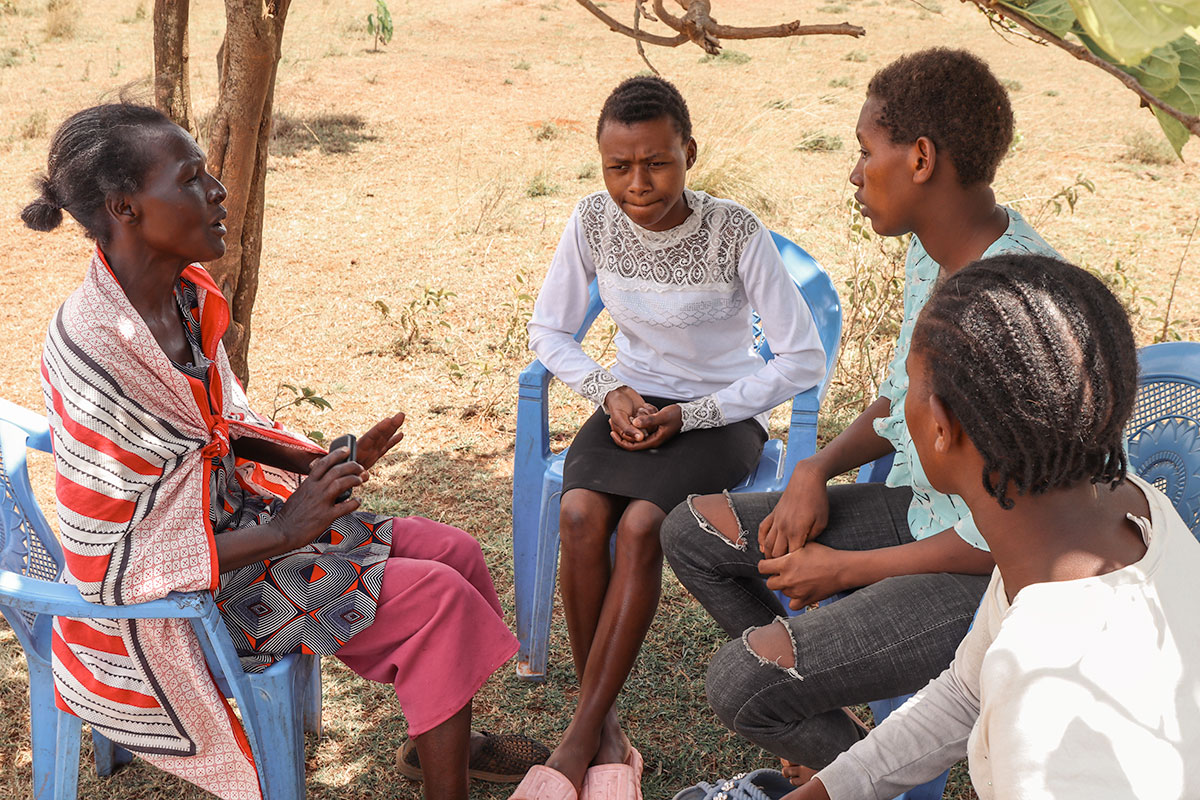
Florah checks in with Jacky (left center), Becky (center) and Peninah (right), three young women from the Maasai community whom she helped to avoid early marriage.
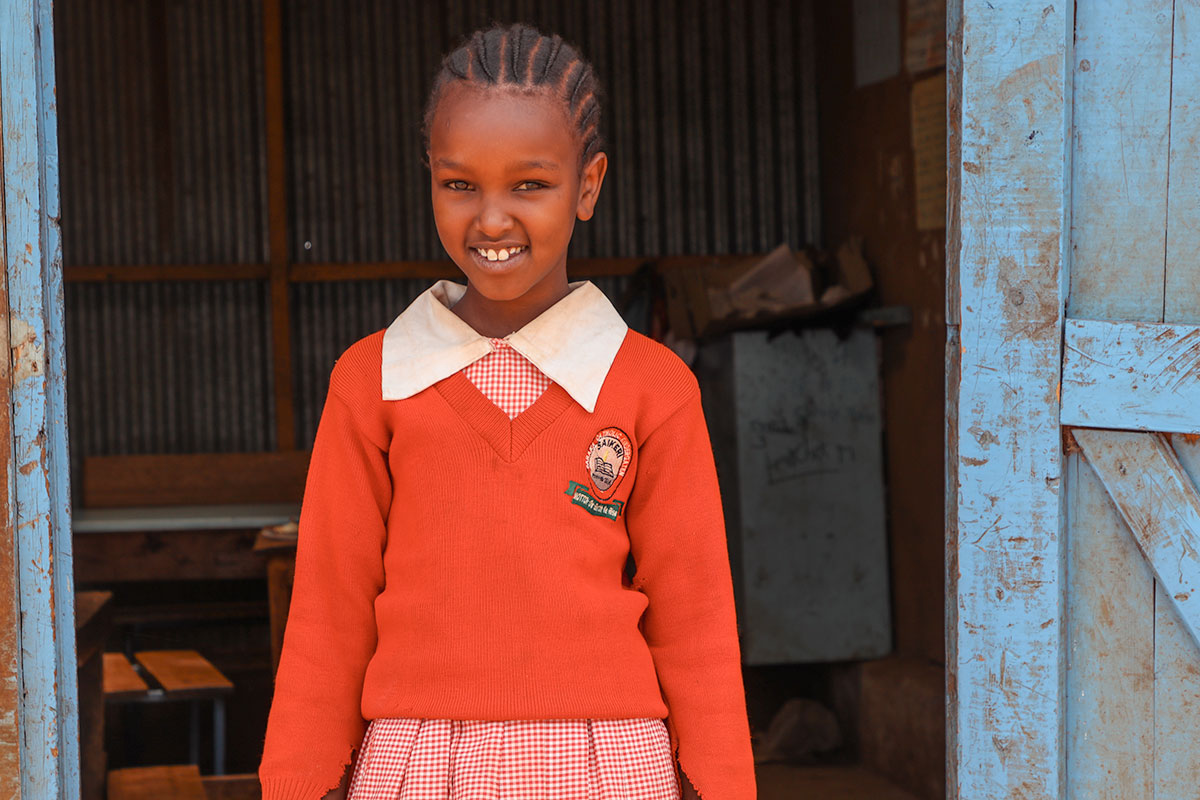
Nancy, 10, stands in the doorway of her one-room schoolhouse. The school is almost a 4-mile walk from Florah’s Maasai community, which poses another challenge for children desiring to access education.
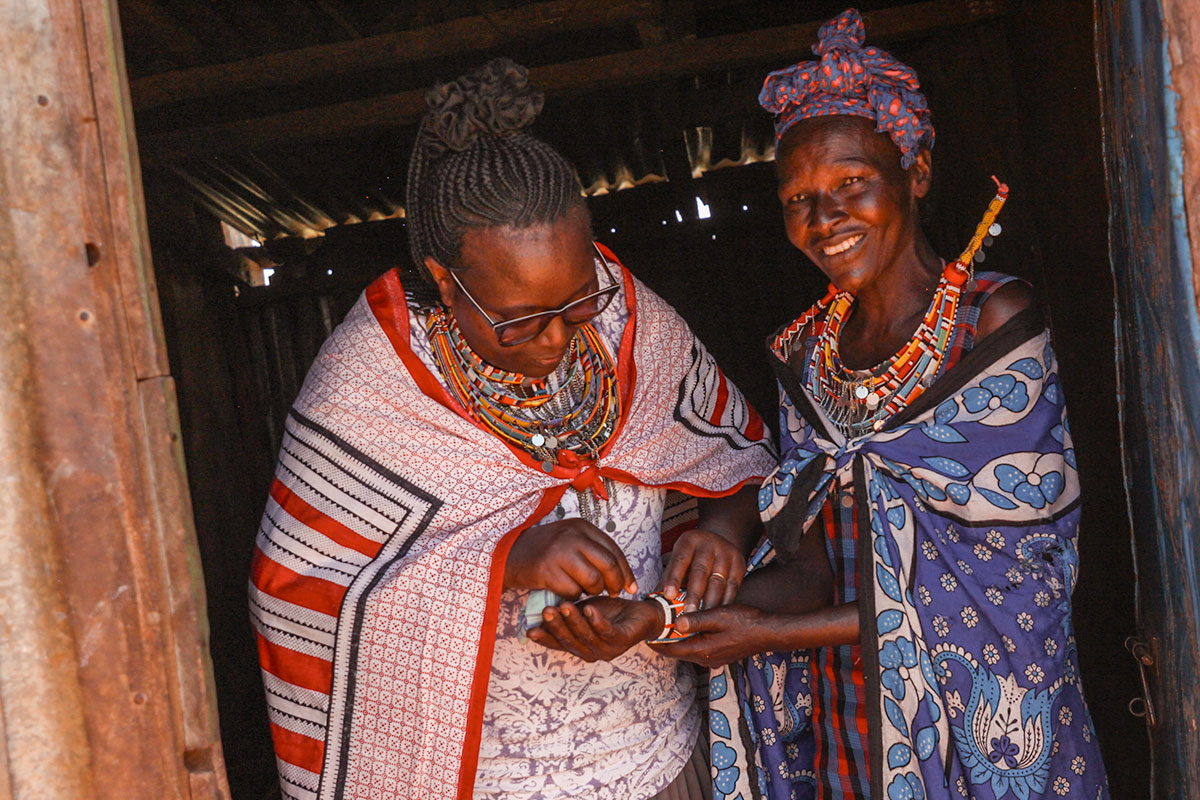
Unbound Nairobi social worker Eunice Kimani fastens one of Florah’s Maasai beaded bracelets to her wrist.
Editor’s note: Sadly, Florah’s husband, William, passed away in February 2026. The Unbound community holds Florah and her family close in prayer during their time of loss.
Unbound regional reporter in Africa Nickson Ateku contributed information and photos for this story while Multimedia Producer/Editor Danika Wolf provided video editing.